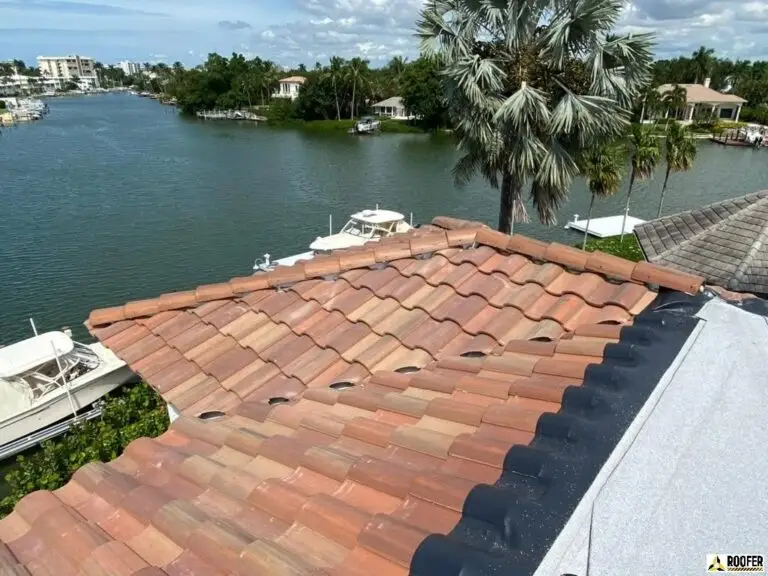
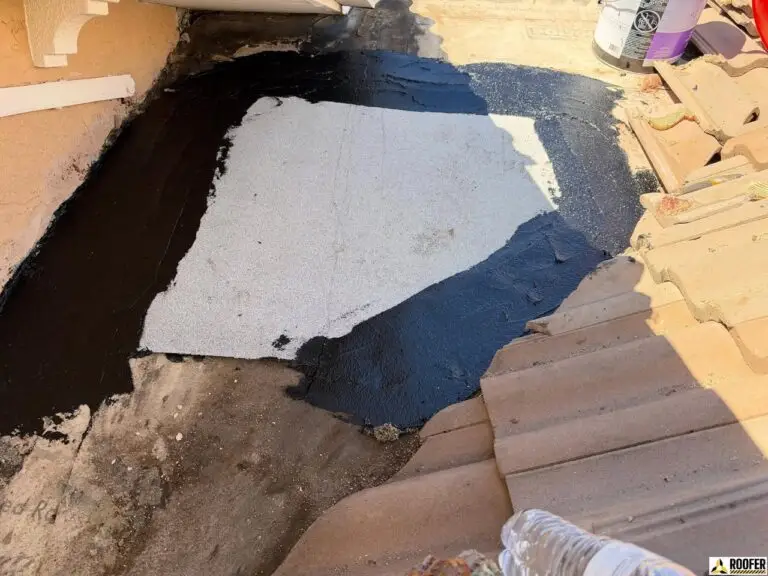
If you own a home in Naples, FL, catching roof problems early is the difference between a small repair and a big bill. Southwest Florida roofs take a beating from intense sun, daily summer storms, salt air and hurricane season, and damage that starts small rarely stays that way. Water that gets past the roof covering soaks the underlayment, rots the plywood deck and stains ceilings, often for weeks before anyone notices.
Here are five signs your roof needs attention now, what each one means, and what to do about it.
1. Missing, Cracked, Slipped or Curling Shingles and Tiles
This is the most visible warning sign and the most common one after a storm. On shingle roofs, look for missing tabs, shingles that are lifted, creased or curling at the edges, and patches of exposed black underlayment. On tile roofs, the most common roof type in Naples, look for cracked or broken tiles, tiles that have slipped out of line, and loose hip and ridge tiles.
Why it matters: Shingles and tiles are the first layer of protection. Once one is missing or broken, rain and sun go straight to the underlayment beneath, which wears out fast when exposed. On a tile roof, a single cracked tile can let water run under neighboring tiles before it shows up inside.
What to do: Don’t climb on the roof, especially a tile roof, since walking on tile breaks more of it. Take photos from the ground and schedule a roof inspection. Most of these problems are straightforward roof repairs when they’re caught early.
2. Water Stains, Bubbling Paint or Mold Inside the Home
Brown or yellow stains on ceilings, bubbling paint near the top of walls, or a musty smell in upper rooms almost always point to a roof leak. In the attic, look for damp insulation, dark stains on the underside of the roof deck, or daylight coming through.
Why it matters: By the time a stain appears on your ceiling, water has usually been getting in for a while. In Naples’ heat and humidity, trapped moisture leads to mold and rotted decking quickly.
What to do: Note where and when the stain appears (after every rain, or only with wind-driven rain). The leak’s true source is often several feet away from the stain. A professional roof leak repair traces it back to the actual entry point instead of just patching the spot above the stain.
3. Granules in the Gutters
Asphalt shingles are coated with granules that protect them from UV rays. If you see a lot of granules collecting in your gutters or at the bottom of downspouts, or bare dark patches on the shingles, they are wearing out.
Why it matters: Without granules, the Florida sun breaks down shingles quickly. They turn brittle, crack, and stop sealing properly, which makes them easy for the next storm to lift or tear off.
What to do: Some granule loss on a brand-new roof is normal. Heavy loss on an older roof is a sign it may be nearing the end of its life. An inspection will tell you whether targeted repairs make sense or whether it’s time to plan for roof replacement.
4. Damaged Flashing Around Chimneys, Vents, Walls and Skylights
Flashing is the metal that seals the joints where your roof meets a wall, chimney, skylight or vent pipe. Look for flashing that is bent, loose, rusted or pulled away, and for cracked or dried-out sealant around pipe boots and vents.
Why it matters: Most roof leaks start at these transitions, not in the middle of the roof. Naples’ wind-driven summer rain pushes water sideways into any gap.
What to do: Flashing and pipe boot repairs are usually quick and inexpensive when caught early, and they prevent much bigger repairs to the deck and interior.
5. Sagging Roof Lines or Soft Spots
If part of your roofline dips or sags, or a flat roof has soft or spongy areas or standing water days after rain, the problem has likely moved past the surface into the structure.
Why it matters: Sagging usually means the roof deck or framing has been weakened, most often by long-term water damage. It is the most urgent sign on this list.
What to do: Call a licensed roofer right away. Damaged decking has to be replaced and re-nailed to current Florida Building Code before new roofing goes back on. See our roof damage repair page for how we handle it.
After a Storm: What to Check
After any major storm or hurricane in Southwest Florida, walk around your home and look for debris on the roof, broken tiles or missing shingles in the yard, bent flashing and new ceiling stains. Many storm problems, like cracked tiles or torn underlayment, can’t be seen from the ground, so an inspection is worth it after a significant storm. If water is coming in, have the area tarped quickly. Our storm damage repair and emergency roof repair pages explain what to expect.
Don’t Wait on Roof Repairs in Naples
Every rain sends more water into the same weak spot, and Florida’s heat and humidity speed up rot and mold once moisture is trapped. A repair that costs a few hundred dollars today can turn into new decking, drywall and insulation later.
Roofer LLC has repaired roofs across Naples and Southwest Florida since 2012, and we work on tile, shingle, metal and flat roofs. If you’ve noticed any of these signs, call us at (239) 398-2316 to schedule an inspection.